
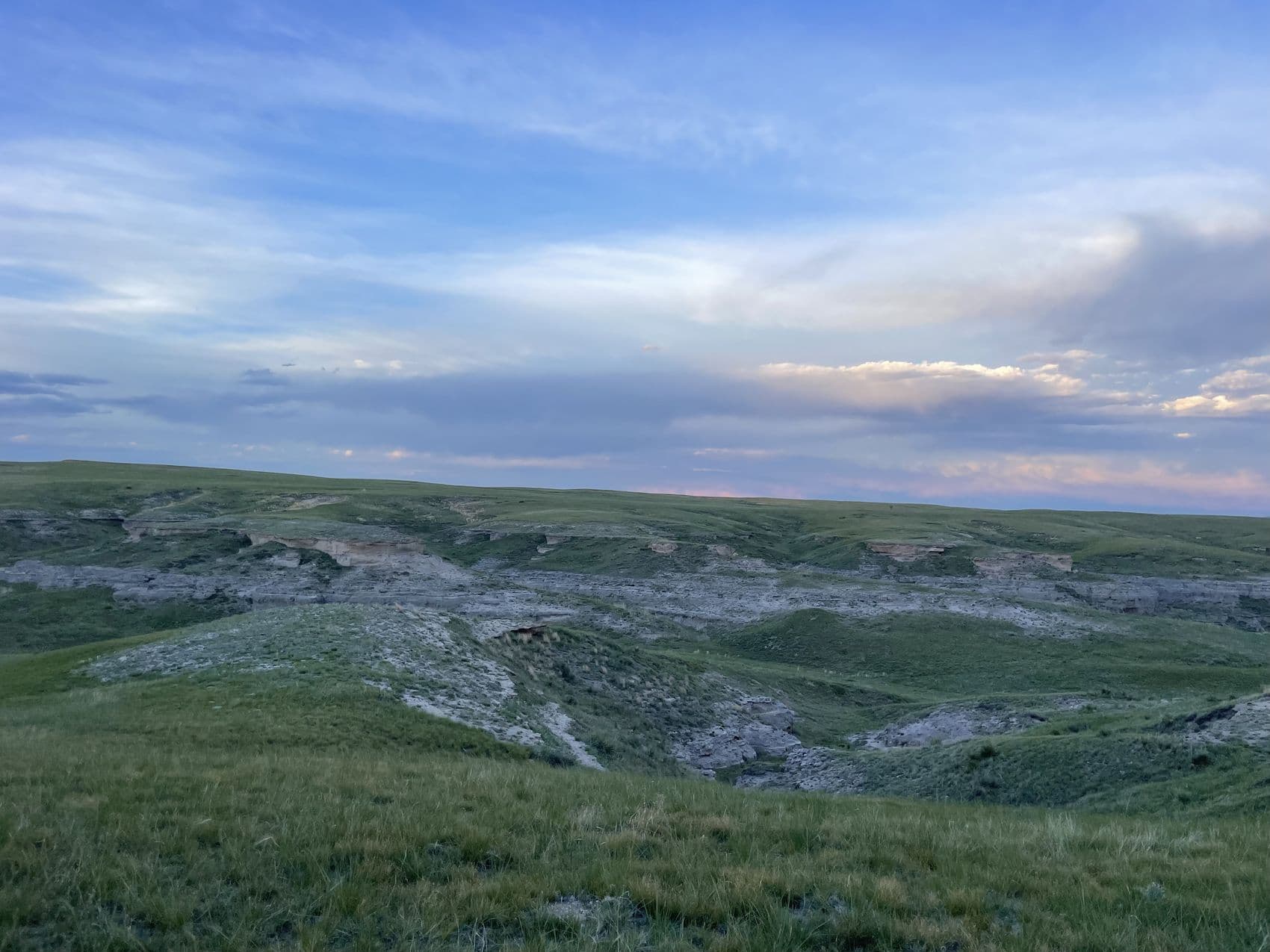
A working family cattle ranch shaped by the Niobrara, the high plains, and generations of people who have called this valley home.
At a glance
A Working Ranch
Agate Springs Ranch sits where the Niobrara threads through grass, cottonwoods, and sandstone bluffs. It is a family place, a working cattle ranch, and a record of lives shaped by the high plains.
From the river bottom to the old photographs, Agate carries its story in the land, the work, and the people who keep returning to this place.
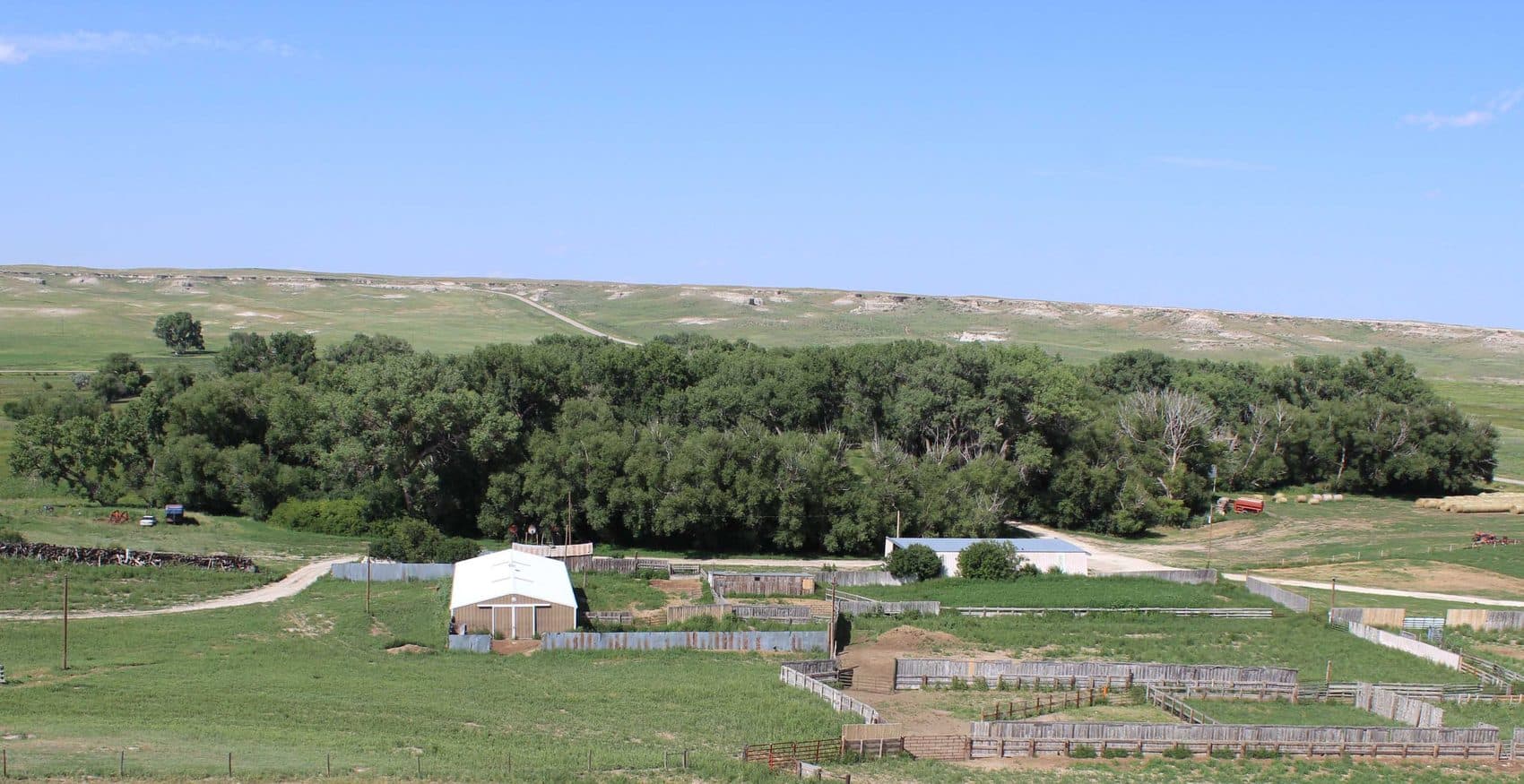
From Windmill Hill
River bottom, hayfields, corrals, bluffs, and open grass all sit inside one long view.
The landRanch Record
Read about the land, follow the family story, and browse the photographs that connect the ranch house, the river, and the people who have called Agate home.
Grass, water, bluffs
The Niobrara makes a green line through dry country, holding cottonwoods, hayfields, weather, and work.
Read about the land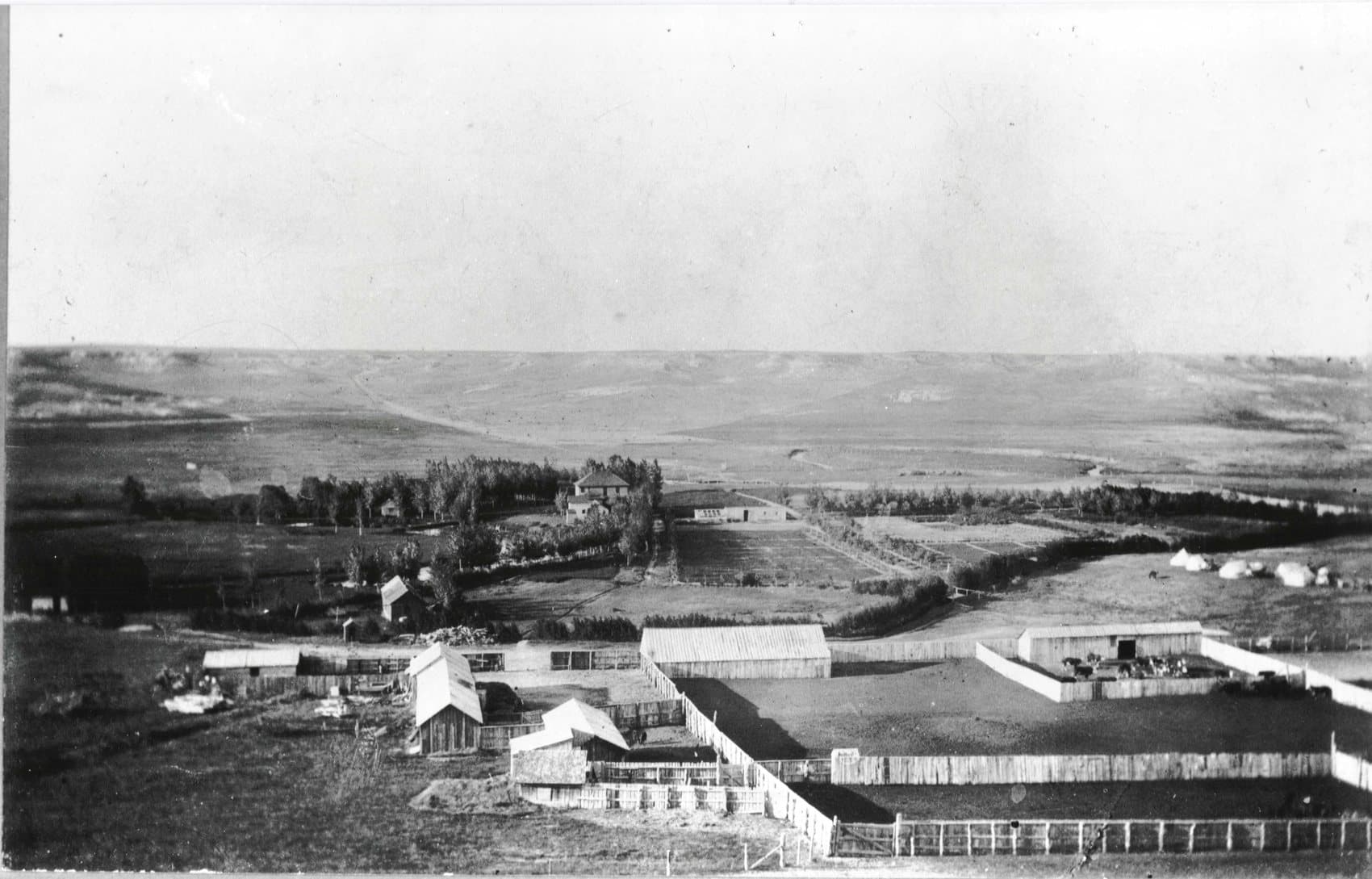
From 1879 onward
The ranch record runs through the 04 brand, the Cook family, Red Cloud, fossil quarries, and generations at Agate.
Read our story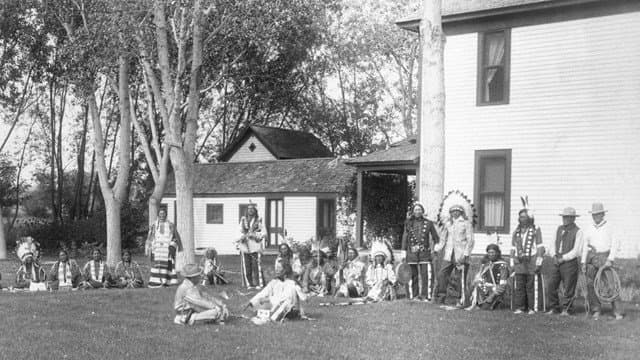
Family archive
Photographs from the land, the ranch house, surrounding country, and the family archive.
Browse the gallery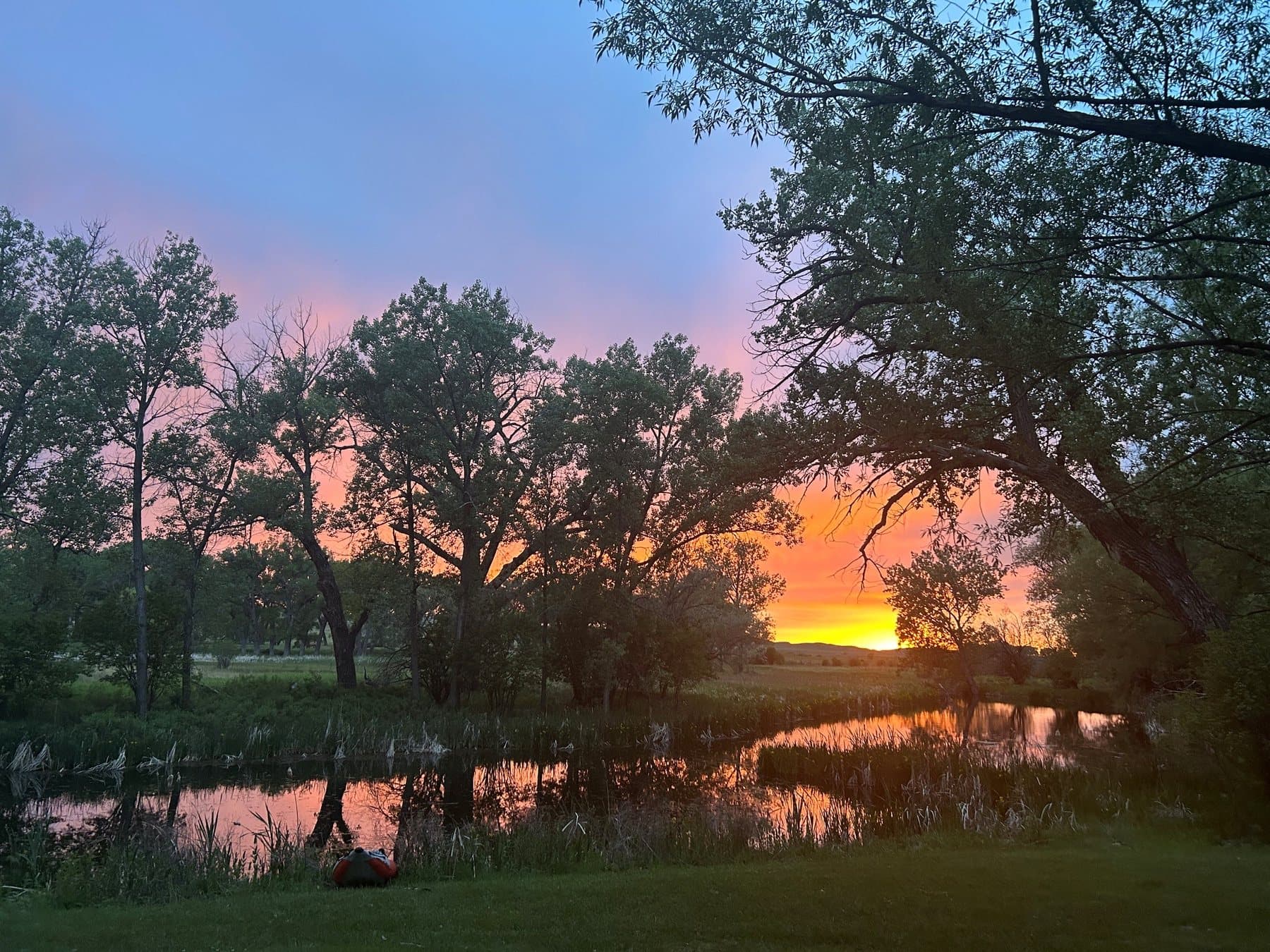
Evening on the Niobrara
Sunset settles over the valley slowly, catching the water, the hayfields, and the cottonwoods before the prairie goes dark.
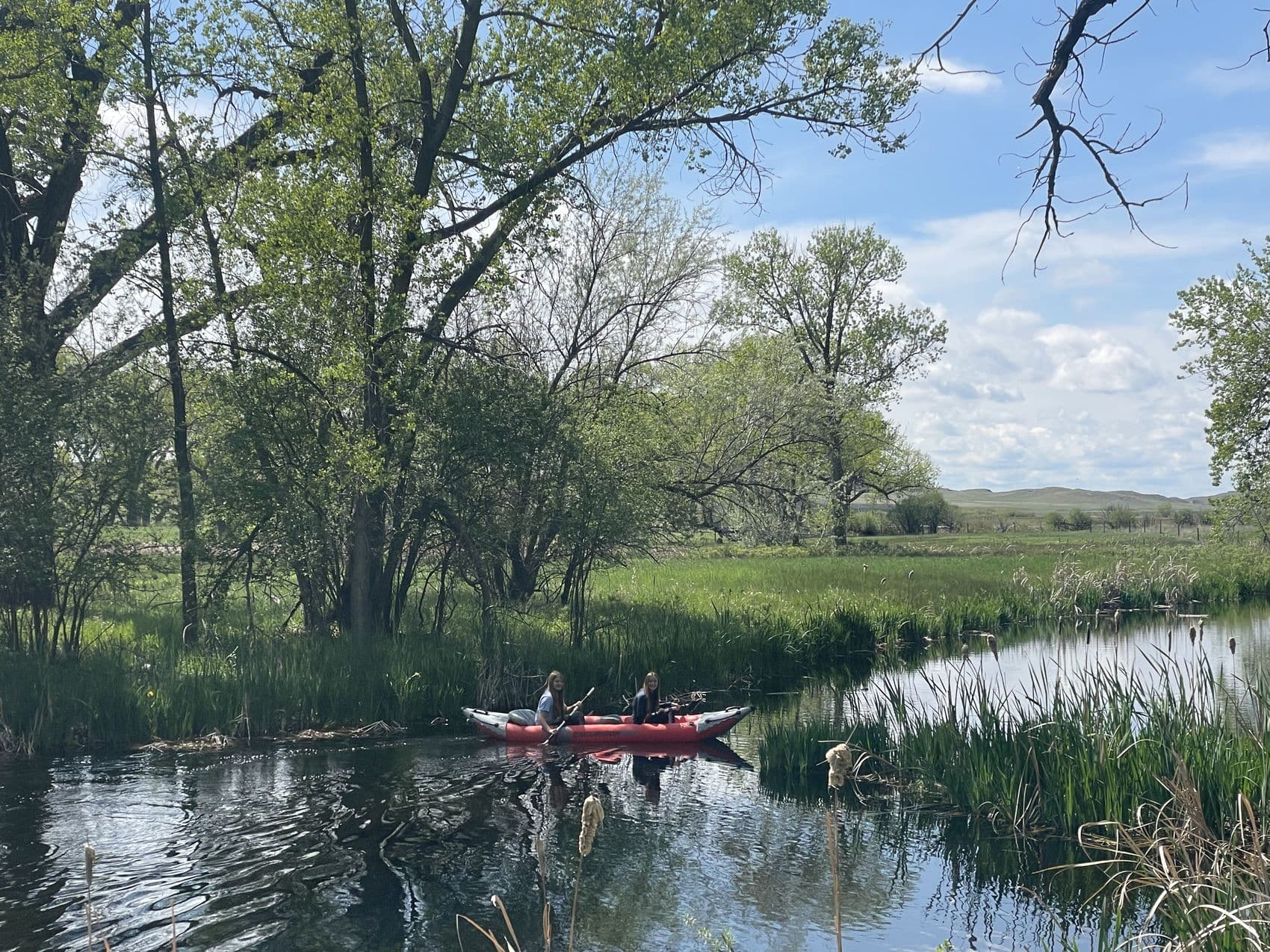
Still Lived In
The same river that shaped the early ranch still gathers work, memory, weather, summer gatherings, and ordinary days. Agate is a historic place, but it is also a present-tense one.
From the record
Agate's history moves through homesteading, cattle, Lakota friendships, fossil discoveries, and generations of family work on the same stretch of river.
Read our storyDr. E. B. Graham established the ranch in Sioux County, carrying the 04 brand into the river valley.
The Cooks purchased the ranch from Dr. Graham and began the family chapter that still shapes Agate.
Carnegie Hill and the nearby quarries helped make Agate known far beyond the ranch gate.


